

By Preeti Poddar, Program Officer — Learning & Development, Protsahan
In the world of development and social change, the moment a programme’s success comes up for assessment, the first thing placed on the table is almost always the same: numbers.
How many people were reached? How many are trained? How many were impacted? How many beneficiaries? What percentage demonstrated change?
These are necessary questions. But are they sufficient? Does the full picture of change really emerge from these numbers alone?
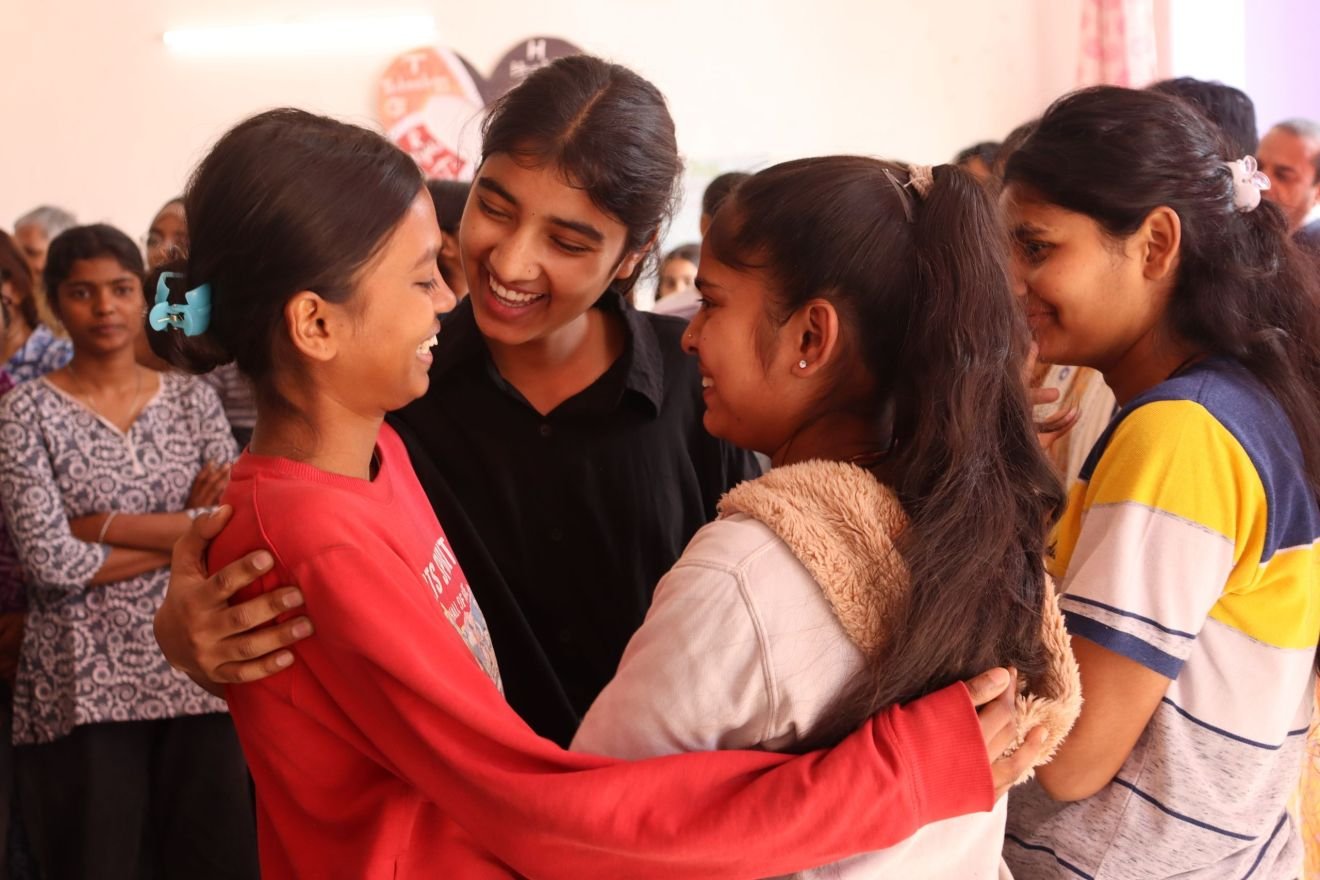
Fifteen years of working at Protsahan India Foundation have taught us something quieter, and more difficult to fit into a column. Real change is what shifts inside a person’s life, in the way she thinks, in the way she carries herself, in the small daily reclamations of confidence and voice. That kind of change rarely fits inside a survey grid. It speaks through stories. Stories of girl champions, of women, of community members who, having lived through exploitation and violence, are now writing the next chapter of their own lives in their own hands.
Numbers vs. Narratives
Most donors and funders still read programmes through the language of the logical framework — inputs, outputs, outcomes, impact. How many adolescent girls were trained. How many communities reached. How many people received services. The architecture is useful. It is also incomplete. Behind every number sits a voice we may or may not be choosing to hear.
At Protsahan, we believe the depth of change cannot be understood without listening to those voices. Consider one.
Reshma (name changed), a Protsahan Girl Champion, grew up in the narrow lanes of a Delhi slum. She lost her father in childhood. Alongside her mother, she worked as a domestic help, and later in a chappal factory. Through it all, the small flame of wanting to learn never quite went out.
She joined Protsahan’s art-based therapy programme. Through theatre, puppetry, and dance movement therapy, something began to shift — first quietly, then visibly. She stepped into the Girl Champion Fellowship. She began to recognise her own voice as worth listening to. She learnt that confidence, rights, and dreams were not things one waited to be granted. They were things one practised.
Today, Reshma stands at the front desk of Ginger Hotel, greeting guests with poise and a steady smile. You can convert her, if you want, into a single data point — one young woman, formal employment, sector: hospitality — and place her on a dashboard. Or you can read her journey for what it actually is: a map of how a girl moves from victim to survivor to leader inside the architecture of a programme. Reshma is a reminder that girls are not asking for charity. They are asking for opportunity. When the direction is right, they are the ones who change the society around them.
Stories like hers will never sit comfortably inside a frame of numbers. But they tell us, with a precision that percentages cannot, what direction the work is actually moving in.
Girl Champions Are Not “Numbers.” They Are Carriers of Change.
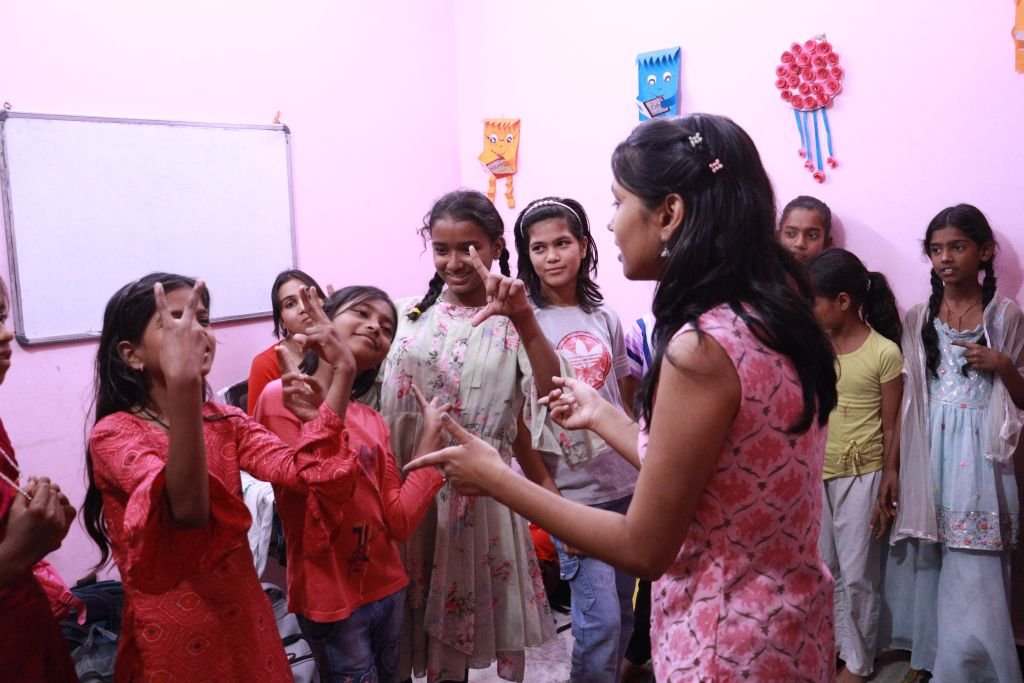
At Protsahan, our Girl Champions are not headcount. They are agents of transformation. When a young girl uses theatre, dance movement therapy, storytelling, or clay pottery to express what was previously unspeakable, what she is really doing is reclaiming control over the narrative of her own life. Numbers describe. Stories register — in the body, in the room, in the community.
Meera (name changed) is one of our Girl Champions. She came to us having been denied safety, dignity, and opportunity for most of her young life. Today, she stands on a theatre stage and uses art to speak back to her community on issues like child marriage and child labour — not lecturing, not performing rescue, but inviting her own community into a different conversation. In doing so, she is inspiring thousands of other girls to become the protagonists of their own stories rather than the supporting characters in someone else’s.
Is this not what community resilience looks like? Is this not what systems change actually feels like, on the ground, in a single life that then radiates outward?
Art as a Sensitive Reading of Data
In our methodology, art is not a medium. It is a bridge — between pain and healing, between silence and voice, between what a girl has survived and what she chooses to become.
When Girl Champions share their experiences through dance movement therapy, clay pottery, or storytelling, they are not simply expressing themselves. They are tending to wounds. That, too, is data. It will not appear as a percentage or a graph. It appears in the steadiness of the eyes, in the new height of the shoulders, in the willingness to take up space in a room.
Protsahan’s H.E.A.R.T. model has been recognised in Stanford Social Innovation Review and in Feminism In India as an effective approach to addressing child sexual violence in India — not as a toolkit, but as a process of reconstruction. Through theatre and art therapy, children begin to feel safe inside themselves again. The Better India and other media platforms have similarly profiled Protsahan’s art-based healing process as a model worth learning from across the sector.
Stories Are the Real Evidence
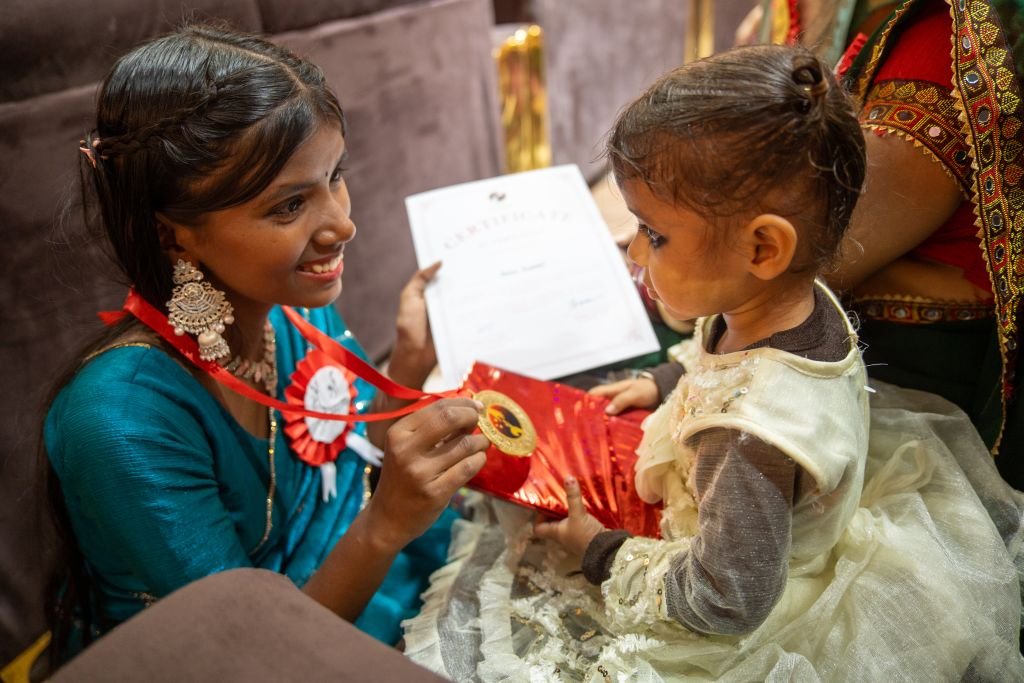
At every stage of Protsahan’s journey, we have learnt the same lesson again: stories are also evidence. They tell us what a programme actually changed in someone’s life and how. They take you to the precise moment in which transformation began.
“Our stories break the silences that numbers leave behind.”
A Girl Champion’s first painting, full of feelings she had no other language for. A Girl Champion’s first step onto a theatre stage. A woman speaking up at a slum panchayat for the first time. Each of these is a signal that healing is in motion, that change is taking root. And that change is being recorded, not in a chart, but in living hearts.
It is time, in development and social work, to give stories the same weight we give to numbers. Both are essential, and the balance between them is what produces an honest picture. As an organisation, we have learnt that when you focus on numbers alone, the most sensitive contour of change (and the story behind it) slips out of view.
A leading newspaper recently carried the story of a girl from a village who, during the lockdown, kept studying by the light of a solar lamp she had built herself, and went on to top her board exams. That headline was not just “one student passed.” It was a story about how hope and self-belief make a way even where resources don’t.
In the same spirit, when a report announces that “500 women received employment,” the number becomes meaningful only when we also know that many of those women had escaped domestic violence and built their independence from the ground up. That story is what makes the statistic human.
So listen to the stories. Read them carefully. Recognise them, too, as data. In a report, look not only for numbers — look for a glimpse of humanity. Measure impact not by percentage, but by transformation.
We believe the deepest language of change is, and always has been, the story.
This blog was originally written in Hindi. Click here to read,