

Author: Srijeeta Banerjee, Master’s of Social Work, Delhi School of Social Work, DU
The narrow lanes leading to the Girl Empowerment Centres in the migrant settlements of West Delhi carry the rhythms of a city built on invisible labour. Here live families who have travelled across states, Bihar, Uttar Pradesh, Rajasthan and beyond – in search of work that often remains precarious and informal. Within these densely packed neighbourhoods, everyday life unfolds under the weight of multiple inequalities. Caste, class, gender, and poverty do not exist as abstract categories; they shape the very architecture of daily decisions.
Yet within these same neighbourhoods, small rooms filled with conversation, laughter, and learning quietly disrupt these structures.
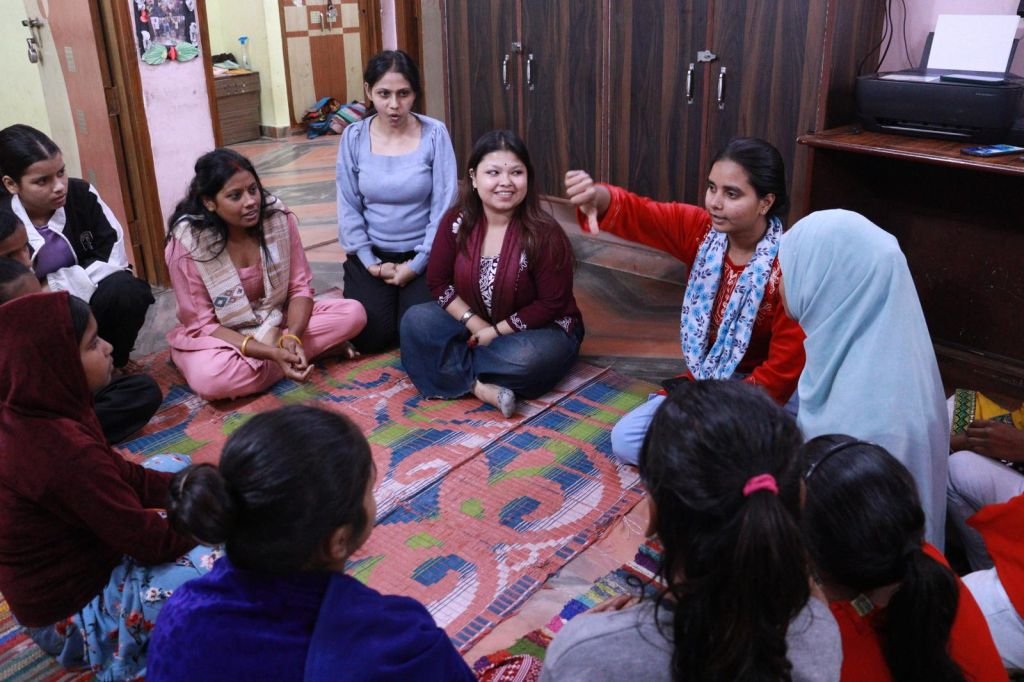
During my fieldwork with Protsahan India Foundation, I spent time at several Girl Empowerment Centres embedded within the community. The centres are not physically distant from the neighbourhoods they serve. They are placed inside them – within walking distance, within familiarity, within trust. This proximity is not incidental; it is systemic. It recognises that meaningful change cannot arrive from outside the community but must grow from within it.
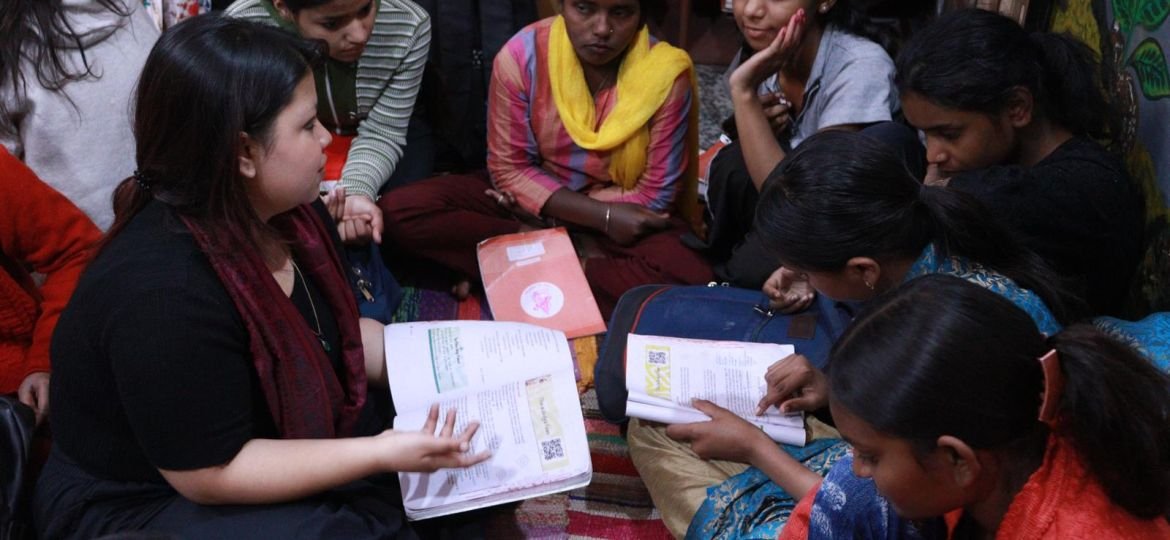
Inside the centres, the atmosphere shifts. Girls gather after school hours, some arriving with quiet curiosity, others with confident familiarity. Activities range from educational sessions and expressive exercises to informal conversations that unfold organically in circles on the floor.
During my time there, I facilitated small learning activities and group discussions with adolescent girls. A poem titled “I Am Enough” became an unexpected starting point for conversations about confidence and self-worth. What began as an exercise in language gradually became a conversation about identity.
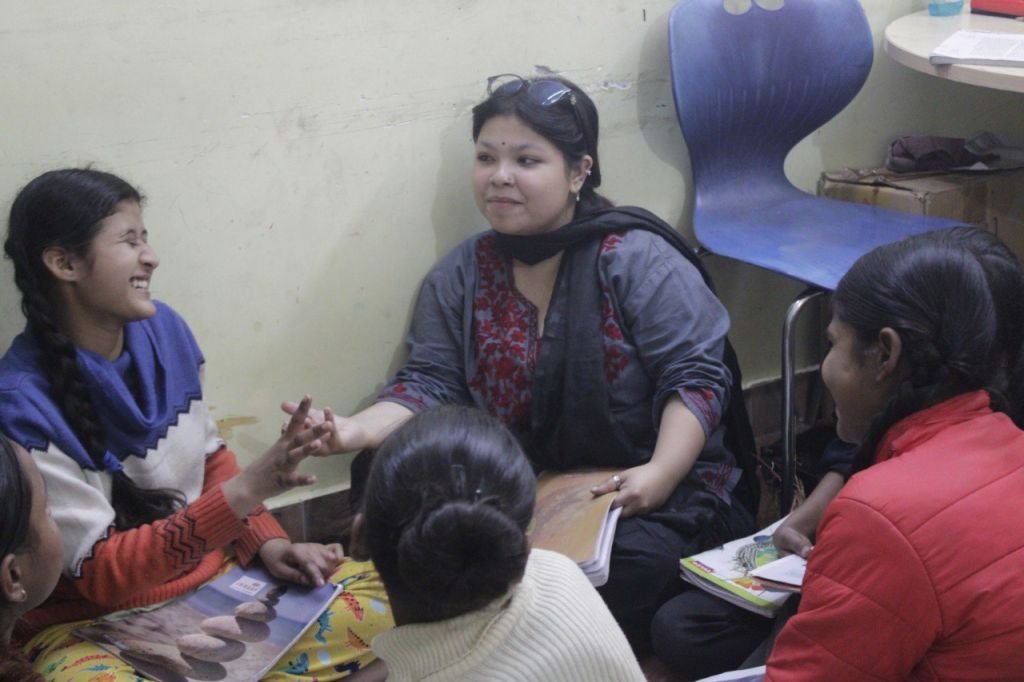
But the most revealing moments were often the simplest ones.
In one discussion with the girls, we spoke about the idea of freedom. Their responses were striking in their clarity. Freedom, for many of them, meant the ability to step outside their homes without fear. It meant continuing education without interruption. It meant having a voice in decisions that shape their futures.
Such responses illuminate the gendered geographies of urban life. While cities are often imagined as spaces of opportunity, for many young girls, mobility itself becomes a site of negotiation. The question of who can move, where, and under what conditions remains deeply structural. Within the centres, however, these negotiations take on new possibilities. Here, the girls are not framed through the language of deficit.
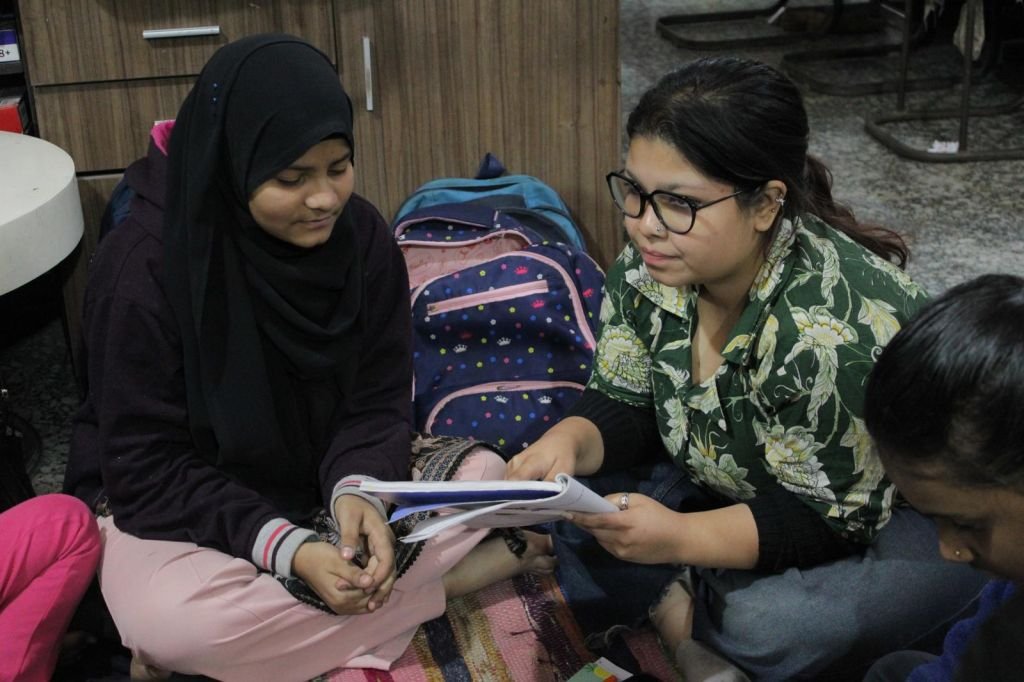
They are called Girl Champions – a term that refuses to reduce them to the circumstances they inhabit. The emphasis is not on what they lack, but on what they build.
Another distinctive aspect of the work is the emphasis on leadership from within the community itself. Many grassroots leaders involved in the programmes have grown up in similar environments and understand these social realities intimately. Their leadership reflects what scholars often describe as proximate leadership – where lived experience becomes a form of expertise.
This model challenges traditional hierarchies within development work. It shifts the narrative from external intervention to community-rooted change.
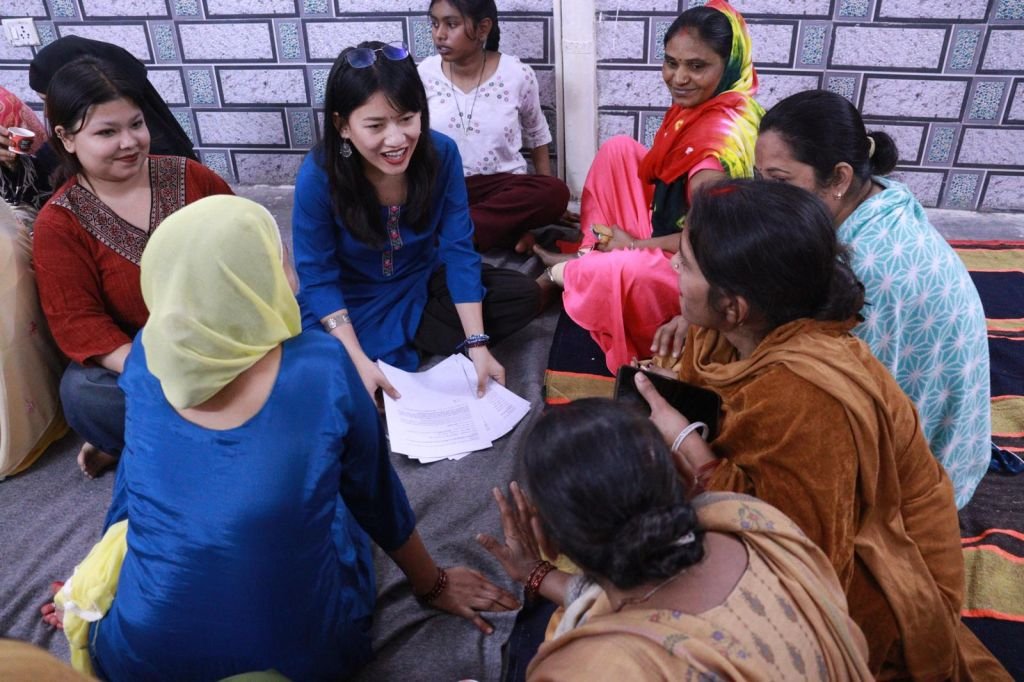
My field exposure also extended beyond the centres into community interactions and discussions on safety and child protection. These engagements revealed the complex social dynamics that often shape silence around issues such as violence or exploitation. Non-reporting cannot be understood simply as a lack of awareness; it is frequently embedded in networks of stigma, economic dependency, and fear of social backlash.
In such contexts, social work demands patience and ethical sensitivity. Justice cannot always move faster than the social conditions that surround it.
What I witnessed during this fieldwork was not a linear story of empowerment, but a series of everyday negotiations. Girls who study despite restrictions. Conversations that challenge silence. Leaders emerging from within the community itself.
These are small shifts, but they accumulate.
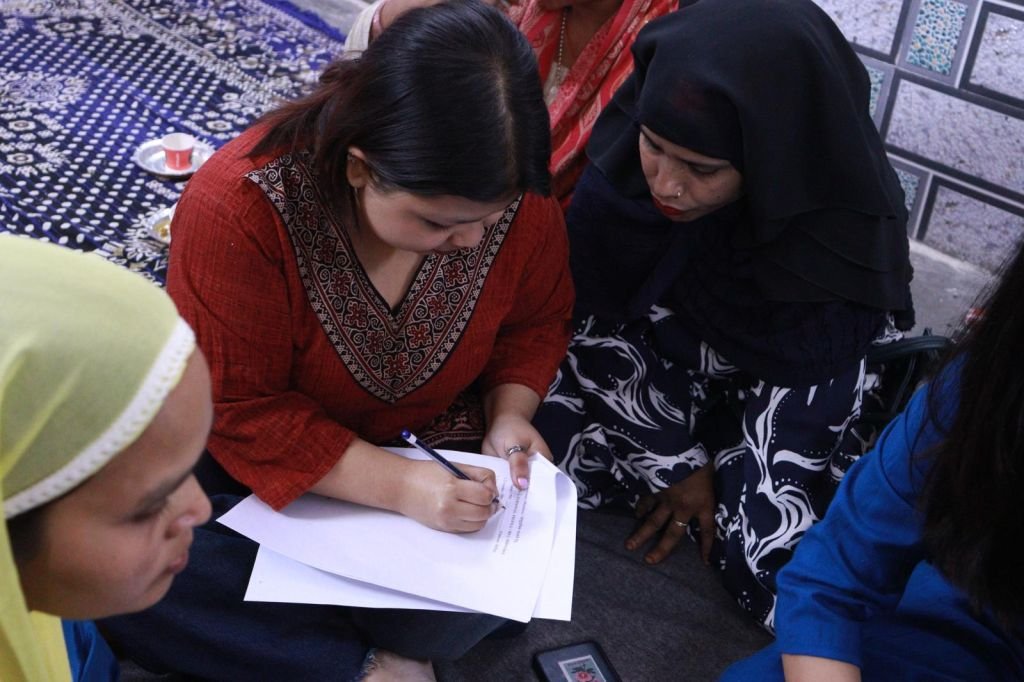 In development discourse, skill-building and employability often dominate policy conversations. Yet what becomes visible in spaces like the Girl Empowerment Centres is that dignity cannot be built on skills alone. Agency requires social recognition, emotional support, and collective spaces where young people can imagine futures beyond inherited limitations.
The centres, therefore, function not merely as classrooms, but as systemic spaces of possibility.
For me, this fieldwork reshaped the meaning of social work practice. It demonstrated that empowerment is not delivered through programmes alone; it grows through relationships, listening, and sustained presence within communities.
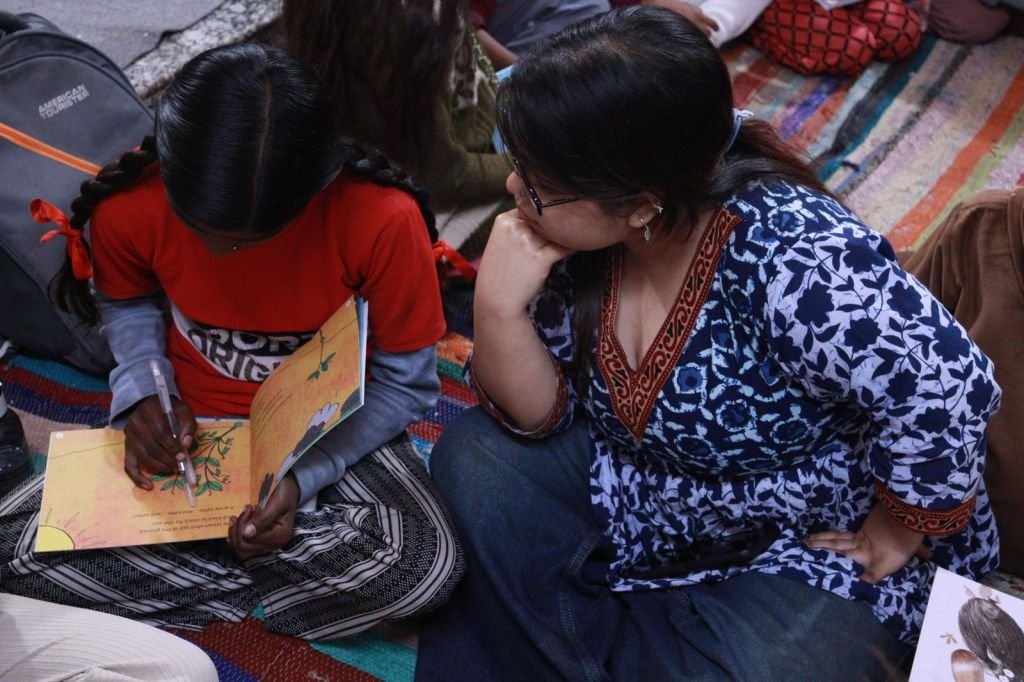
And perhaps most importantly, it reminded me that resilience already exists in abundance within these neighbourhoods. The role of institutions, at their best, is simply to create conditions where that resilience can flourish.